Brisbane stands at a pivotal moment with six years to go for the 2032 Games and an opportunity to shape the future of our city ‘beyond the Games’ to really deliver long term, catalytic change for generations to come.
This notion of the 2032 legacy is one that IAQ members have been actively engaging with for several years. While the headlines are focused on a few weeks in 2032, we – as the diverse infrastructure sector – have a much longer horizon in focus.
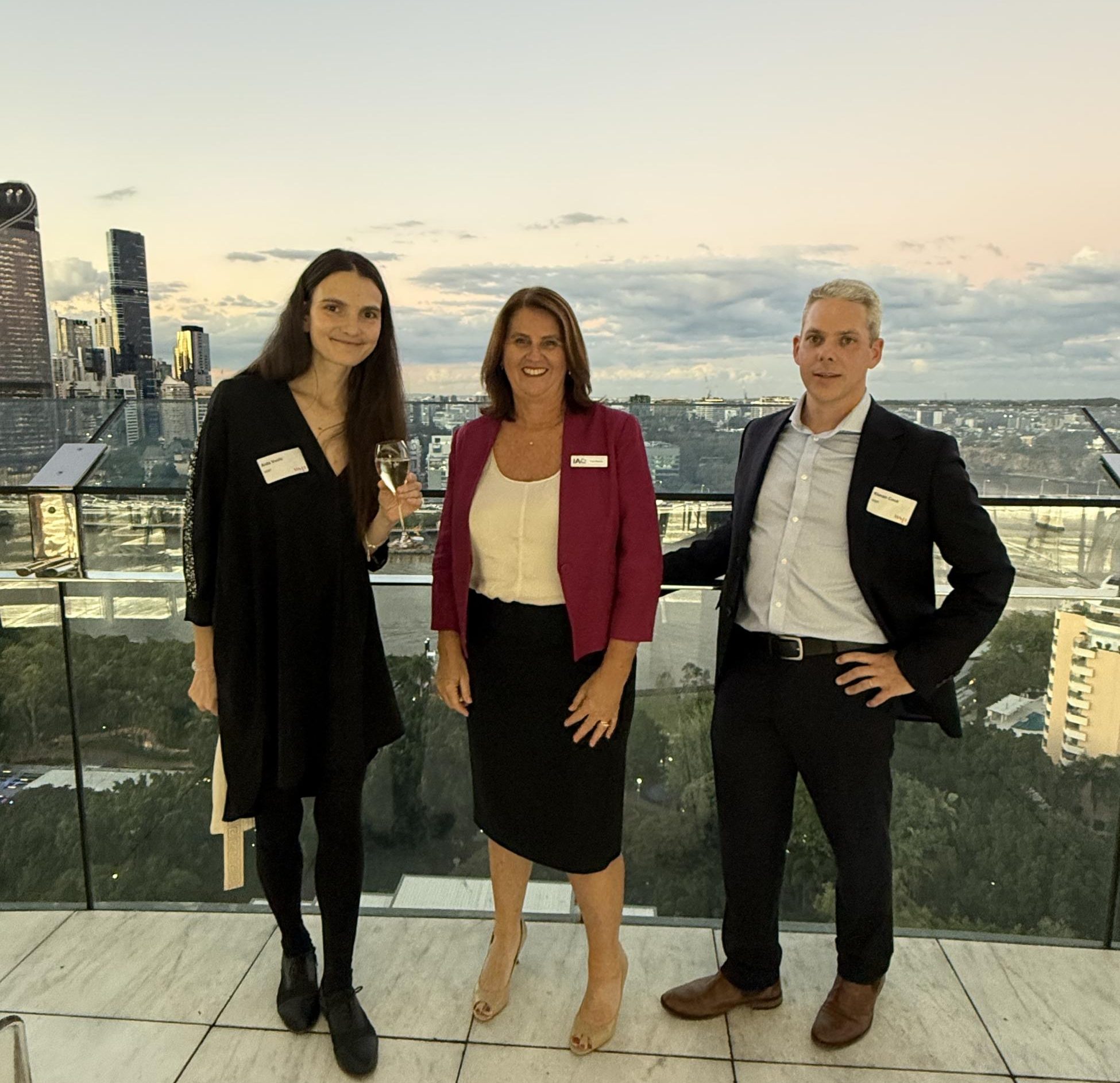
IAQ’s late-2025 study tour brought back some powerful lessons from the Paris 2024 and London 2021 Games that CEO Tracy Mackey and other delegates have been sharing these insights with stakeholders including government at all levels, in hope that we as a state can truly leave a legacy we can all be proud of.
With around $8 billion in reported Olympic venue spend sitting alongside roughly $80 billion in non-Games infrastructure already in the pipeline, the question facing us is whether we have a handle on how it all comes together for the long-term.
Venues built for the city, not the Games
The most enduring venues from both Paris and London were those designed with post-Games use front of mind. Aquatic centres in both cities saw children’s swim rates rise quickly after opening. The athletics/main stadium in Paris already existed and was retrofitted for the Olympics. For London, the stadium was meant to be ‘temporary or short lifespan’. When these venues are used long-term, the costs to maintain and operate them are high and they must be adaptable for various sports, concerts and events. In London, the stadium is home to West Ham football club and still has the athletics track for use. Paris is home to the French Rugby Union team but is kept afloat through summer with concert sales.
It’s not just the main stadiums that can be existing facilities. The hockey venue for the Olympics was the original main stadium for athletics for the Paris 1924 Olympics – 100 years prior.
Conversely, the London Velodrome, while world-class in its build, has not become the home of British cycling. This is a reminder to genuinely engage end users rather than make decisions for them. The restored Grand Palais in Paris is striking, but its glass-vaulted roof created unbearable heat during competition and has since limited its utility as a venue.
Urban renewal as the real legacy
The most transformative outcomes from both Games IAQ study tour delegates experienced were not the grand stadiums. The surrounding neighbourhoods, such as Paris’s Grand Metro project (200km of new track, 68 new stations) reconnecting the city’s outer rings and London’s Elizabeth Line (now carrying more than 250 million passenger trips annually) reshaping economic links between the historically disadvantaged east end and the broader city, were what provided the cities lasting change.
Brisbane’s context is different. We have a prosperous and vibrant inner city. Our challenge is leveraging transport and legacy investment outward to the urban fringe and regional connections. That’s a significant challenge, and one the sector needs to engage with seriously.
Walkability and pedestrian amenity also stood out during the study tour for delegates. Thoughtful landscaping, wayfinding, shade and street furniture that made precincts feel genuinely connected to community life, not just during the Games, but every day. This is a real legacy for the local community.
Three calls to action for our sector
- Tell the workforce story with confidence. Workforce is real challenge, but the professional and technical services sector has capacity and capability now and have also planned for increases in the future a plan. Help shape the debate to reflect that strength.
- Be an adopter of innovation. Too many specifications in Queensland look the same as they did 30 years ago. Collectively, the sector has the ability to promote and endorse different, better approaches to infrastructure design, delivery and operation.
- Be a leader. Lean in, share your expertise, and help shape the debate, and importantly, the future of our state.