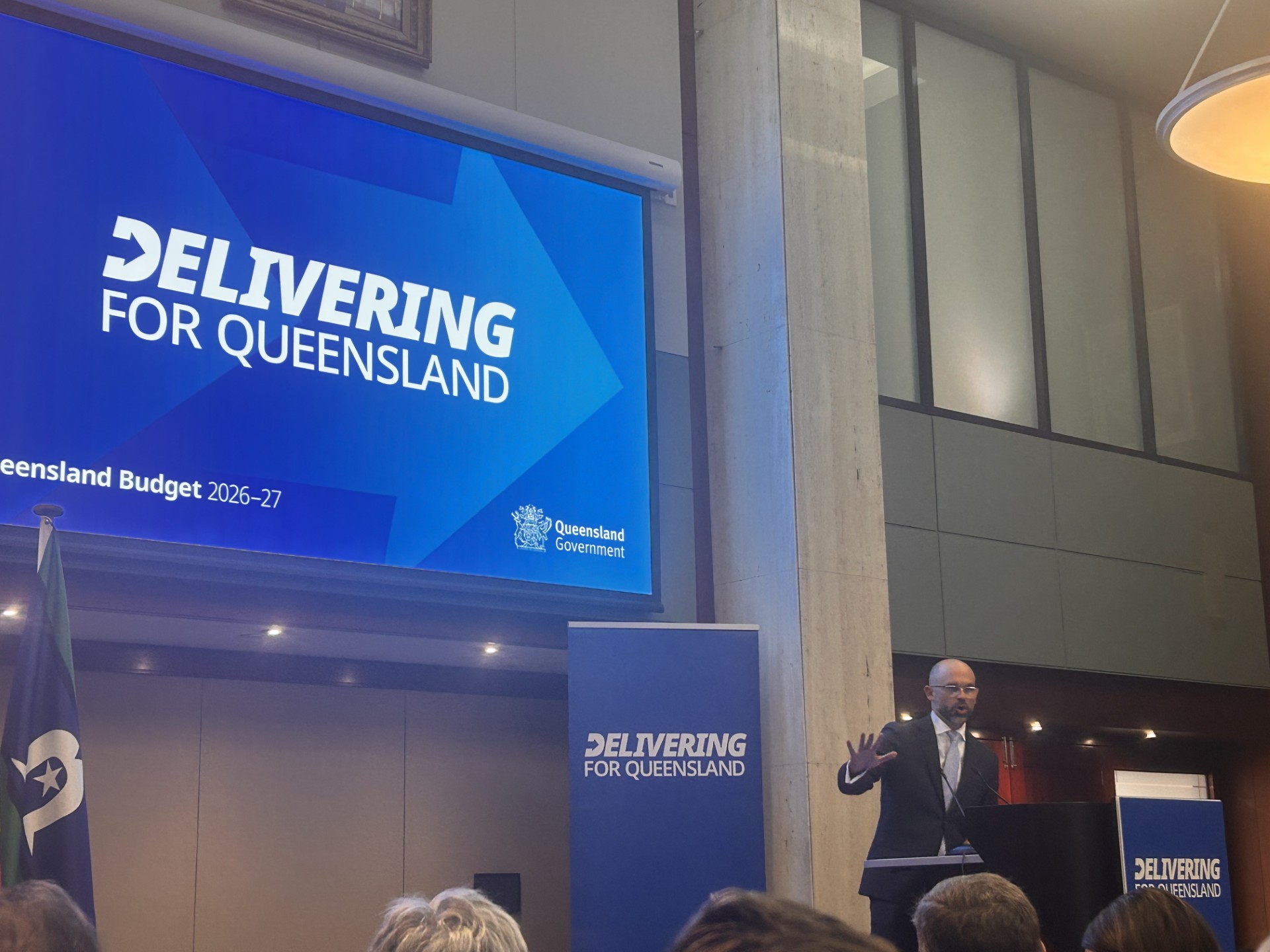
Queensland Deputy Premier Jarrod Bleijie gave his first Delivery Plan update for the Brisbane 2032 Olympic and Paralympic Games since the government’s 100-day review to a packed-out Queensland Media Club lunch on Thursday, 3 July 2025.
The deputy premier and Federal Minister for Infrastructure, Transport, Regional Development and Local Government Catherine King, unveiled significant updates to the 2032 Delivery Plan, signaling welcomed progress for infrastructure development across Queensland.
The announcements at the lunch highlighted:
- robust state and federal funding commitments
- signing of an inter-government agreement between federal and state public funding partners to delivery the Games
- Open procurement for four minor venues in Logan, Moreton Bay, Sunshine Coast and Cairns
- Geotech and other site investigations starting for Vicotria Park
- This decisive action is set to inject billions into the state’s economy and deliver a lasting legacy far beyond the four weeks of the Games.
Billions to be publicly invested to deliver Games
Mr Bleijie told the lunch attendees that the Queensland Government has firmly locked in $5.15 billion in its budget for Olympic and transport infrastructure, including crucial transport connectivity projects like the Logan and Gold Coast Faster Rail. The Federal Government has committed a substantial $3.4 billion for sporting infrastructure, encompassing 16 new and upgraded minor venues across the state.
The inter-government agreement between the two levels of government is currently being redrafted and will be signed shortly. This agreement includes an almost 50/50 funding split for minor venues and a significant $1.2 billion federal contribution towards the new Brisbane stadium.
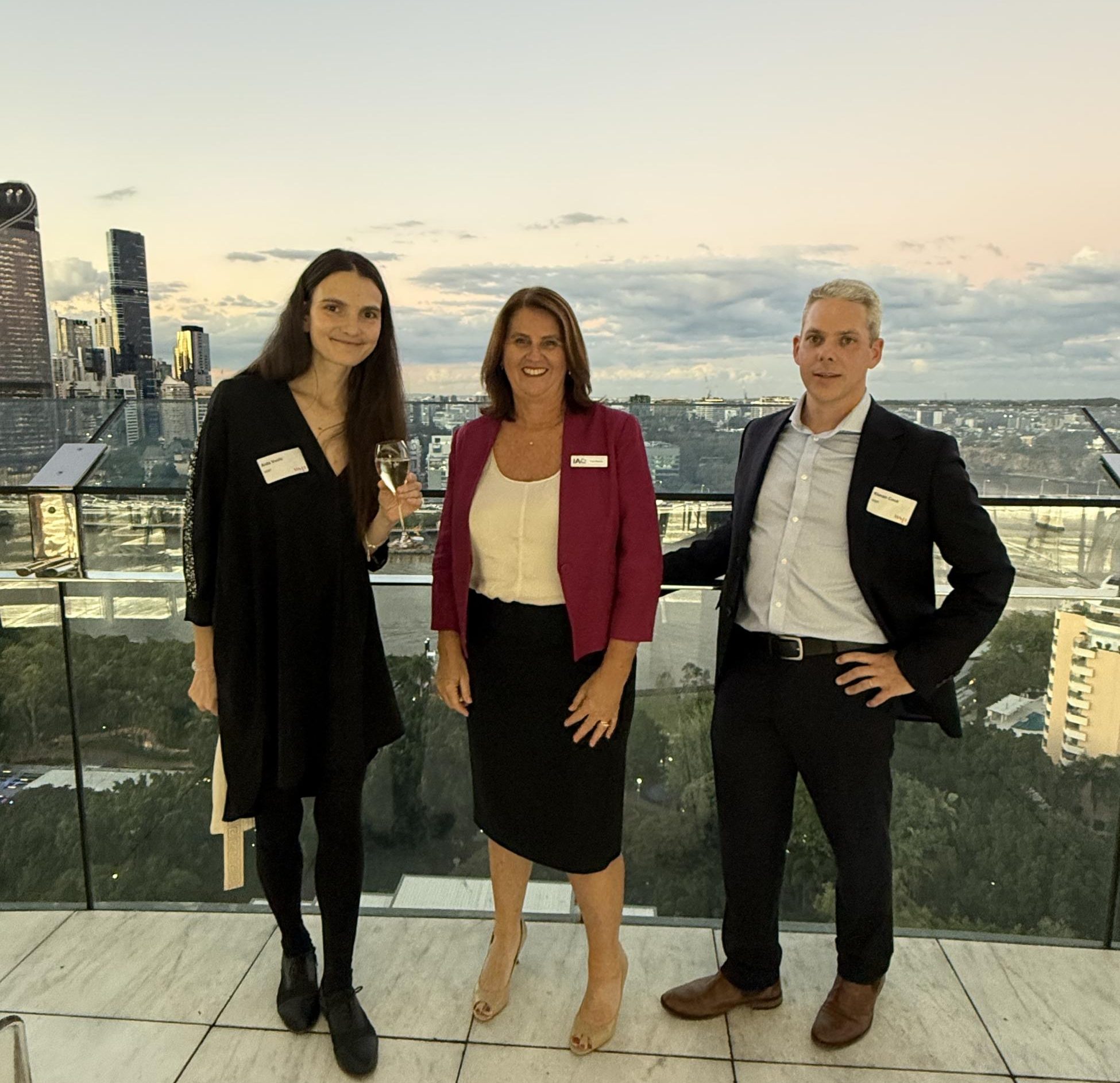
IAQ CEO Tracy Mackey said the announcements today were welcome progress for the sector.
“Today marks a pivotal moment for Brisbane 2032 and the clarity on funding along with the inter-government agreement will bring certainty and real momentum to the Games infrastructure opportunities,” Ms Mackey said.
Building a lasting legacy for Queensland
Ms King highlighted the vision for Brisbane 2032 extended beyond sporting triumphs for Queensland, and Australia. Both governments emphasised that the infrastructure investments were designed to create community assets for decades to come. She said Queensland, the most decentralised state will be home to the most decentralised Games with legacy-building projects planned for regional areas from Cairns to the Gold Coast.
Major transport initiatives were included in the commitments reiterated at the lunch, including Bruce Highway upgrades and the Sunshine Coast direct rail to deliver a world-class Games and provide connectivity and improved liveability for communities long after 2032.
Procurement and site investigations underway to get shovels in the ground
Procurement for four minor venues opened during the lunch for work to commence at the following key Games venues across the state:
- Logan Indoor Sports Centre
- Moreton Bay Indoor Sports Centre
- Barlow Park Stadium upgrade
- Sunshine Coast Stadium upgrade.
The Queensland Government Infrastructure & Cultural Authority (GIICA) was also included in today’s announcements, including a permanent CEO appointment to be made public soon and the beginning of procurement for delivery partners. Geo-technical studies were also started today for the new Brisbane stadium to determine the stadium site in Victoria Park.
Addressing challenges and unlocking opportunities
Workforce and housing
The Deputy Premier was asked by attending media about the significant workforce demands to deliver the Games, highlighting the need to attract skilled labour and a proactive approach to housing solutions. Mr Bleijie noted that funding given to Logan Water to fund a local wastewater treatment plant would allow the local government to unlock housing for 20,000 people.
Ms Mackey said the infrastructure pipeline to deliver the Games represents significant opportunities for jobs, apprenticeships and investment across the state.
“IAQ looks forward to continuing to work with government at all levels to unlock access to a skilled workforce and efficient processes to deliver these world-class projects not only for 2032 but into the future for all of Queensland,” Ms Mackey said.
Planning laws and cultural heritage
Mr Bleijie was also asked by media about cultural heritage considerations at Victoria park. He said the legislation was necessary so that infrastructure can be delivered on time for the Games. He noted there were two elements with one being environment and local planning laws and the other was carving out cultural heritage provisions, with normal processes still to proceed. He also said the Queensland Government has committed to federal government that they’ll be looking for as much green space as possible to be retained on the site.
Private investment considerations
Media asked how much private investment did Mr Bleijie expect to deliver the Games and he answered that the $7.1 billion provisioned by the Queensland Government and the agreement with the federal government has been slated to deliver the Games and it did not include expectations for private funding boosts. He noted that procurement through GIICA bringing private delivery partners into the process means any private funding would be a bonus on top of planned public funding to deliver the Games and related projects.
Both Mr Bleijie and Ms King highlighted the spectacular global stage Queensland has at its feet in delivering a transformative era of infrastructure development and community liveability for Queensland.